
What Is an Emergency Fund?
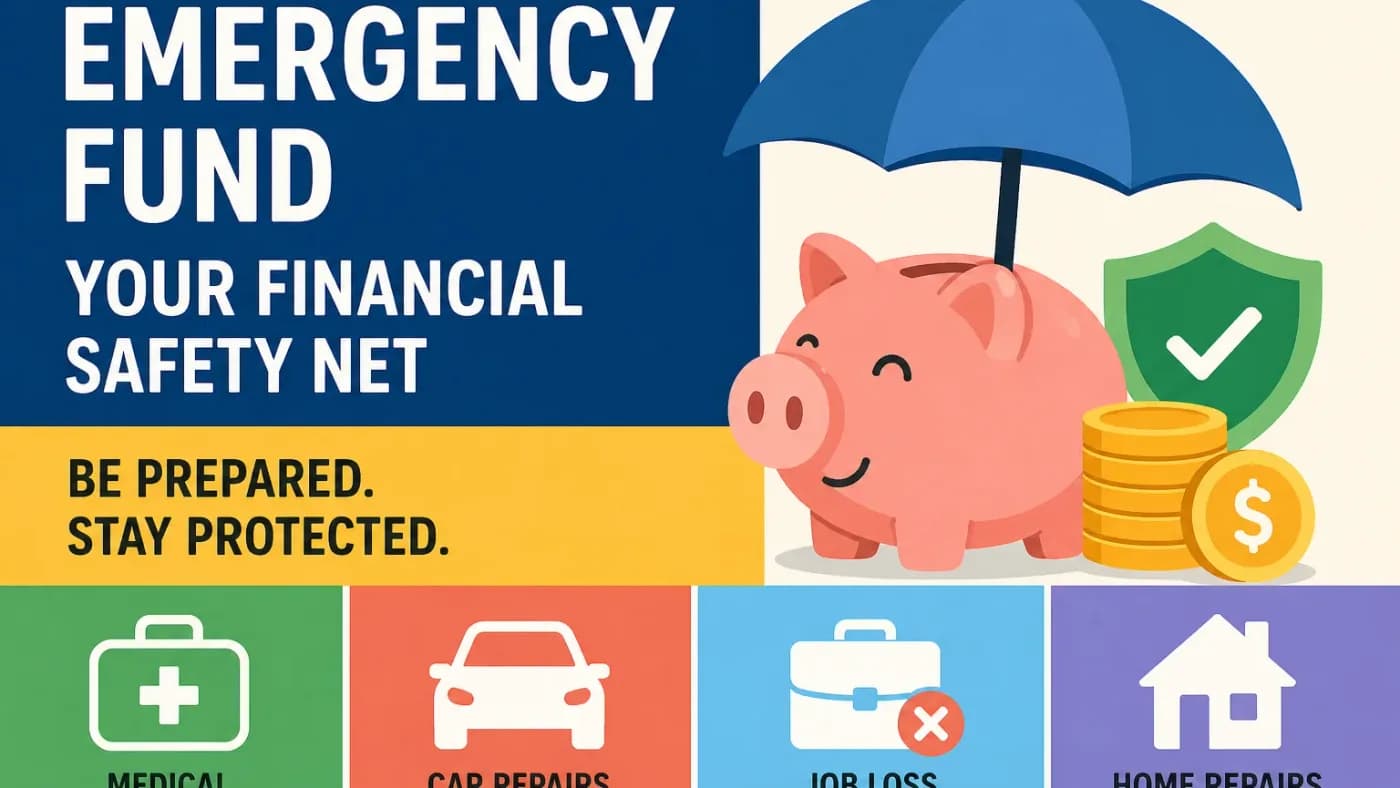
An emergency fund is money set aside to cover unexpected expenses such as job loss, medical bills, car repairs, or urgent home costs. It acts as a financial safety net so you don’t have to rely on credit or loans.
Having an emergency fund is one of the most important steps in building financial stability.
---How Much Emergency Fund Do You Need?
A common guideline is to save between 3 to 6 months of living expenses.
- 3 months – minimum safety buffer
- 6 months – more secure and flexible
- 9–12 months – ideal for unstable income or self-employment
Emergency Fund Formula
Emergency Fund = Monthly Expenses × Number of Months
---How to Calculate Your Emergency Fund
Example 1: Basic Calculation
Your monthly expenses are £2,000.
For a 3-month fund:
£2,000 × 3 = £6,000
For a 6-month fund:
£2,000 × 6 = £12,000
---Example 2: Higher Security
If your monthly expenses are £3,000 and you want 6 months:
£3,000 × 6 = £18,000
---What Should You Include in Monthly Expenses?
Only include essential expenses such as:
- Rent or mortgage
- Bills (electric, water, internet)
- Food
- Transport
- Insurance
- Minimum debt payments
Optional or lifestyle spending is usually excluded.
---Why an Emergency Fund Matters
An emergency fund helps you:
- Avoid debt during unexpected events
- Reduce financial stress
- Handle income loss
- Stay on track with long-term goals
How to Build an Emergency Fund
Start Small
Begin with a target of £500–£1,000, then build up gradually.
Automate Savings
Set up automatic transfers each month.
Cut Unnecessary Spending
Redirect extra money into savings.
Increase Income
Side income can speed up the process.
---Use the Emergency Fund Calculator
To calculate your ideal emergency savings, use our Emergency Fund Calculator.
You can also use the Budget Calculator to track your expenses or the FIRE Calculator to plan long-term financial independence.
---Common Mistakes
Saving Too Little
A small emergency fund may not cover major unexpected costs.
Using It for Non-Emergencies
This fund should only be used for true emergencies.
Keeping It Inaccessible
Your emergency fund should be easy to access when needed.
---Frequently Asked Questions
How much emergency fund should I have?
Typically 3 to 6 months of essential expenses.
Where should I keep my emergency fund?
In a savings account that is easy to access.
Is 3 months enough?
It can be a good starting point, but more is safer.
Should I invest my emergency fund?
No. It should be kept safe and liquid.
---Conclusion
An emergency fund provides financial security and peace of mind. By saving a few months of essential expenses, you protect yourself from unexpected events.
To find your target amount, use the Emergency Fund Calculator.