
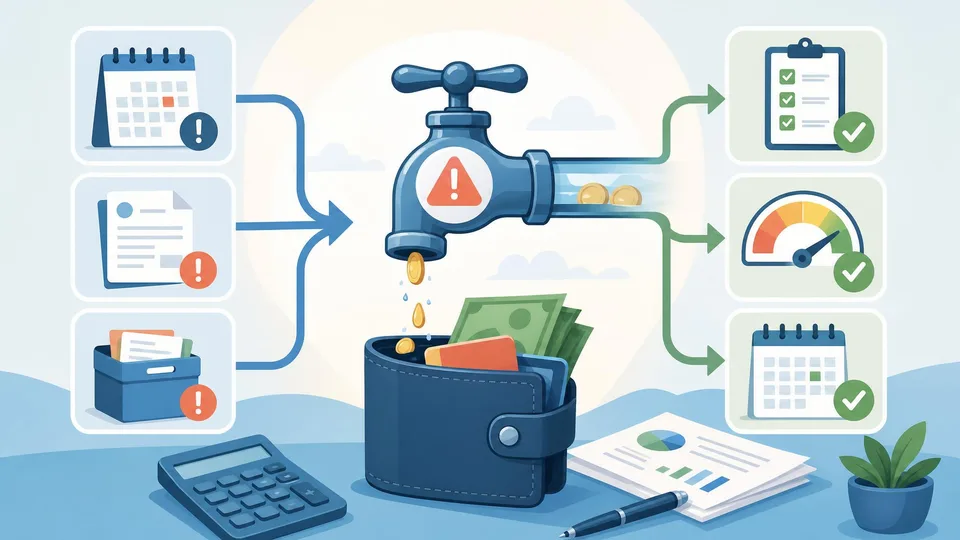
Emergency Tax Codes Explained in Plain English
Few payroll surprises cause panic faster than spotting an unfamiliar tax code on your payslip and suddenly taking home far less money than expected.
For many UK workers, the first encounter with an emergency tax code feels genuinely alarming.
I remember a friend changing jobs years ago and becoming convinced payroll had made a huge mistake because his first payslip looked dramatically smaller than expected. After a frustrating evening of calculations and angry messages in the group chat, the real issue turned out to be an emergency tax code.
It is extremely common.
The good news is that emergency tax usually does not mean HMRC thinks you have done something wrong. In most cases, it is simply a temporary payroll situation caused by missing or incomplete tax information.
What Is An Emergency Tax Code?
An emergency tax code is a temporary PAYE code used when HMRC or your employer does not yet have enough information about your income and tax situation.
Payroll systems still need to calculate deductions somehow, so they apply a temporary code until proper records are updated.
This often happens when:
- starting a new job
- changing employers
- working multiple jobs
- moving from self-employment into PAYE work
- receiving taxable benefits or irregular payments
- your P45 has not been processed yet
While the system is waiting for accurate information, deductions can temporarily become much higher than expected.
Common Emergency Tax Codes In The UK
Several emergency tax codes appear regularly on UK payslips.
Some of the most common include:
- 1257L W1
- 1257L M1
- BR
- D0
- D1
The extra letters matter.
For example:
- W1 means Week 1 basis
- M1 means Month 1 basis
These codes tell payroll to calculate tax only using the current pay period rather than considering cumulative earnings across the year.
This is one reason deductions can temporarily feel unusually harsh.
Why Emergency Tax Can Suddenly Reduce Your Pay
The biggest shock usually comes from how dramatically take-home pay changes.
Someone expecting normal deductions may suddenly see:
- larger PAYE tax deductions
- reduced personal allowance usage
- higher withholding rates
- unexpected payroll adjustments
Psychologically, this feels very different from normal tax deductions because the change happens suddenly.
People often think:
"Why has payroll suddenly taken so much?"
In reality, the payroll system may simply be working cautiously until proper tax records arrive.
The Missing P45 Problem
One of the most common causes of emergency tax is a missing P45.
When leaving a job, employers provide a P45 showing:
- income earned so far
- tax already paid
- current tax code
Your new employer uses this information to continue PAYE calculations correctly.
If the P45 is missing, delayed or processed incorrectly, the payroll system may temporarily switch to an emergency basis.
This is especially common when someone starts work quickly before paperwork catches up.
Second Jobs Often Trigger Emergency Tax Issues
Many workers become confused when second jobs produce surprisingly high deductions.
This happens because personal allowances are usually assigned to a main job first.
A second employer may therefore tax additional earnings more aggressively until HMRC allocates allowances properly.
I have known people who assumed their second job was "pointless" because the first payslip looked terrible after deductions.
Often the situation improves once HMRC updates payroll records properly.
Emergency Tax Does Not Always Mean You Lose The Money Forever
This is the part many people do not realise.
Emergency tax overpayments are often temporary.
Once HMRC receives correct income information, payroll calculations can adjust automatically.
Possible outcomes include:
- future payslips correcting deductions
- reduced PAYE later in the year
- automatic refunds through payroll
- refunds issued directly by HMRC
This does not make the short-term frustration disappear, but it is important to understand that emergency tax is often a temporary correction issue rather than a permanent loss.
Why Bonuses And Overtime Sometimes Trigger It
Large irregular payments can occasionally confuse payroll systems temporarily.
For example:
- bonuses
- commission spikes
- overtime surges
- backpay
can all create unusual payroll calculations during a single pay period.
This does not necessarily mean the overtime itself is taxed differently.
But it can contribute to temporary withholding confusion.
If you recently worked substantial overtime, you may also want to read Why Overtime Feels Like It Gets Taxed More in the UK.
How To Check If Your Tax Code Looks Wrong
If your payslip suddenly changes dramatically, checking the tax code is one of the smartest first steps.
Warning signs may include:
- unfamiliar letters or suffixes
- W1 or M1 markers
- dramatically higher deductions
- loss of personal allowance
- large pay differences after changing jobs
Most payroll departments can explain which code is currently being used.
You can also check information directly through HMRC services.
Estimating Your Real Take-Home Pay
Many workers mentally estimate gross pay rather than net pay.
That creates unrealistic expectations when payroll adjustments happen.
It is usually far more useful to estimate what will actually reach your bank account after deductions.
These calculators can help:
Understanding the difference between gross pay and take-home pay makes payroll changes feel far less mysterious.
Most Emergency Tax Situations Eventually Get Corrected
The most important thing to remember is that emergency tax is usually temporary.
In many cases:
- records catch up
- PAYE adjusts automatically
- refunds appear later
- future deductions normalise
The frustrating part is the uncertainty during the adjustment period.
Seeing unexpectedly small payslips naturally creates stress, especially when bills, rent and monthly budgets are involved.
But most emergency tax situations are administrative rather than punitive.
The Real Problem Is Usually Lack Of Information
Most emergency tax confusion comes from workers not being told clearly what is happening.
People see a smaller payslip and immediately assume:
"I've been taxed incorrectly."
Sometimes that is technically true in the short term.
But more often the system is temporarily estimating deductions until complete information becomes available.
Once you understand how PAYE, tax codes and payroll adjustments interact together, emergency tax becomes much less mysterious — even if it still feels annoying while it is happening.