
My emergency fund target changed several times as my circumstances changed, which made me realise the standard advice was a starting point rather than a universal answer.
What Is an Emergency Fund?
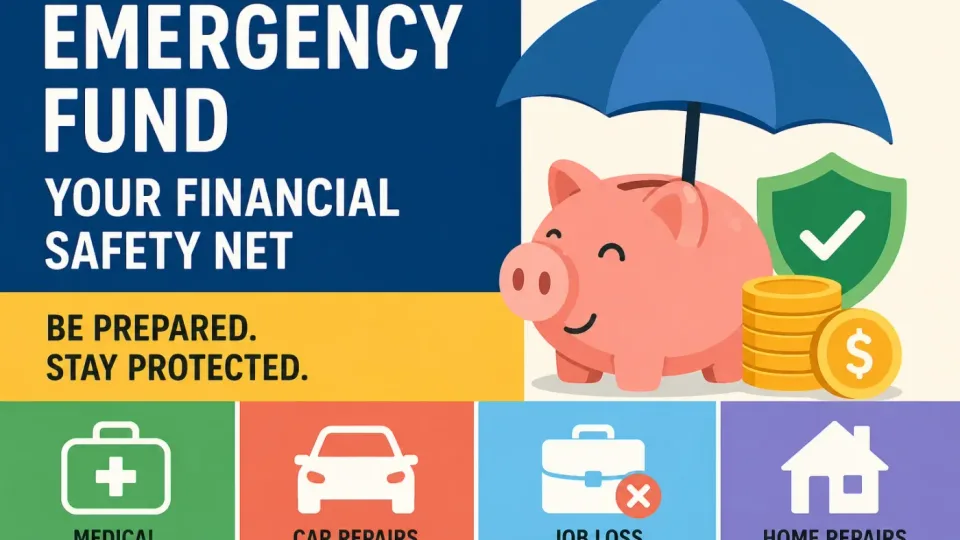
An emergency fund is money set aside to cover unexpected expenses such as job loss, medical bills, car repairs, or urgent home costs. It acts as a financial safety net so you don’t have to rely on credit or loans.
Having an emergency fund is one of the most important steps in building financial stability.
---How Much Emergency Fund Do You Need?
A common guideline is to save between 3 to 6 months of living expenses.
- 3 months – minimum safety buffer
- 6 months – more secure and flexible
- 9–12 months – ideal for unstable income or self-employment
Emergency Fund Formula
Emergency Fund = Monthly Expenses × Number of Months
---How to Calculate Your Emergency Fund
Example 1: Basic Calculation
Your monthly expenses are £2,000.
For a 3-month fund:
£2,000 × 3 = £6,000
For a 6-month fund:
£2,000 × 6 = £12,000
---Example 2: Higher Security
If your monthly expenses are £3,000 and you want 6 months:
£3,000 × 6 = £18,000
---What Should You Include in Monthly Expenses?
Only include essential expenses such as:
- Rent or mortgage
- Bills (electric, water, internet)
- Food
- Transport
- Insurance
- Minimum debt payments
Optional or lifestyle spending is usually excluded.
---Why an Emergency Fund Matters
An emergency fund helps you:
- Avoid debt during unexpected events
- Reduce financial stress
- Handle income loss
- Stay on track with long-term goals
How to Build an Emergency Fund
Start Small
Begin with a target of £500–£1,000, then build up gradually.
Automate Savings
Set up automatic transfers each month.
Cut Unnecessary Spending
Redirect extra money into savings.
Increase Income
Side income can speed up the process.
---Use the Emergency Fund Calculator
To calculate your ideal emergency savings, use our Emergency Fund Calculator.
You can also use the Budget Calculator to track your expenses or the FIRE Calculator to plan long-term financial independence.
---Common Mistakes
Saving Too Little
A small emergency fund may not cover major unexpected costs.
Using It for Non-Emergencies
This fund should only be used for true emergencies.
Keeping It Inaccessible
Your emergency fund should be easy to access when needed.
---Frequently Asked Questions
How much emergency fund should I have?
Typically 3 to 6 months of essential expenses.
Where should I keep my emergency fund?
In a savings account that is easy to access.
Is 3 months enough?
It can be a good starting point, but more is safer.
Should I invest my emergency fund?
No. It should be kept safe and liquid.
---Conclusion
An emergency fund provides financial security and peace of mind. By saving a few months of essential expenses, you protect yourself from unexpected events.
To find your target amount, use the Emergency Fund Calculator.
The Standard Guidance and Why It Varies
The commonly cited guideline is 3–6 months of essential living expenses held in accessible savings. Essential expenses means the baseline monthly outgoings you couldn't avoid even if you lost your income: rent or mortgage, utilities, food, insurance, minimum debt payments, and transport to work. This is deliberately lower than your actual monthly spending because an emergency fund covers the floor, not your normal standard of living. The reason for the range (3 months to 6 months) reflects different risk profiles: a person with stable employment in a high-demand field, no dependants, and low fixed costs can manage with closer to 3 months. Someone who is self-employed, has dependants, has high fixed costs, or works in a sector with limited alternative employment should target closer to 6 months or more. The right figure is the one that covers your specific worst-case scenario.
Calculating Your Emergency Fund Target
Start by listing your essential monthly expenses: housing (rent or mortgage), council tax, utilities (gas, electric, water), food, minimum credit card and loan payments, insurance (health, home, car), phone, and transport to work. For most UK households, this total is lower than total monthly spending by 20–40%, because it excludes holidays, eating out, clothing beyond basics, entertainment, and other discretionary spending. Once you have the monthly essential expenses figure, multiply by your target number of months (3–6 based on your risk profile) to get the target fund size. If essential expenses are £1,400 per month and you're targeting 4 months, your emergency fund target is £5,600.
Where to Keep an Emergency Fund
An emergency fund needs to be accessible quickly (within 1–3 days) and not at risk of declining in value. This means cash savings in a high-interest easy-access savings account rather than investments in the stock market, which can lose value at exactly the moment a redundancy or unexpected expense occurs. In 2024, easy-access savings accounts in the UK offered rates of 4–5% AER, making the opportunity cost of holding cash much lower than in the low-rate environment of the previous decade. The fund should not be in the same account as everyday spending, where it risks being gradually eroded by small expenditures. A separate named account (some banks allow naming accounts "Emergency Fund") creates a psychological barrier that reduces the temptation to dip into it for non-emergencies.
Building the Fund While Managing Other Priorities
For most people, the emergency fund has to be built gradually alongside other financial obligations. The common approach is to establish a small baseline fund first — £1,000 is often suggested as the initial target, enough to cover most single unexpected expenses — and then prioritise building it to full size after addressing any high-interest debt. The sequencing matters: paying off a 20% APR credit card is a guaranteed 20% return, which almost certainly outperforms the savings rate on your emergency fund. Once high-interest debt is cleared, building the emergency fund takes priority over investing, because an inadequate emergency fund means any unexpected expense forces you to take on debt or liquidate investments at potentially bad moments. The emergency fund is insurance against financial volatility, not a wealth-building vehicle — and like all insurance, its value is in what it prevents rather than what it returns.